How to Choose Barcelona Tours in Eixample That Fit Your Plans
@barcelonacitytourlab
Barcelona rewards visitors who plan a little before choosing how to see the city. The right outing can make a first visit feel coherent, while a poor fit can leave you tired, rushed, or stuck in traffic you did not expect. Start with the way you want to experience the city, then narrow the choice by time, location, pace, and practical details. Barcelona tours come in many forms, from architecture walks to food-focused afternoons and trips beyond the city, so the best option depends on what you want to remember.
Start with the kind of day you want
Before comparing itineraries, decide what role the outing should play. Is it meant to cover the classic sights, help you understand a neighbourhood, give you a break from walking, or take you outside the city for a change of scenery? This first step keeps you from choosing something only because it sounds impressive.
Think about your attention span as well as your interests. A dense route through the Gothic Quarter can be rich in detail, but it may feel heavy if you are arriving after a long flight. A slower morning around Sagrada Familia and nearby streets may suit a first day better. If you travel with children or older family members, look for routes with clear breaks, shade, and shorter walking stretches.
It also helps to separate must-see places from nice-to-have ones. If Sagrada Familia or Park Güell matters most to you, build the day around that priority instead of trying to squeeze in everything. Many visitors find that two or three well-chosen stops create a better memory than a packed schedule.
Set your time frame before you compare options
Time is the simplest filter and often the most useful. Decide how many hours you can give to the outing, including travel to the meeting point and any time spent waiting. A short walk can fit between other plans, while a full-day route needs most of your energy.
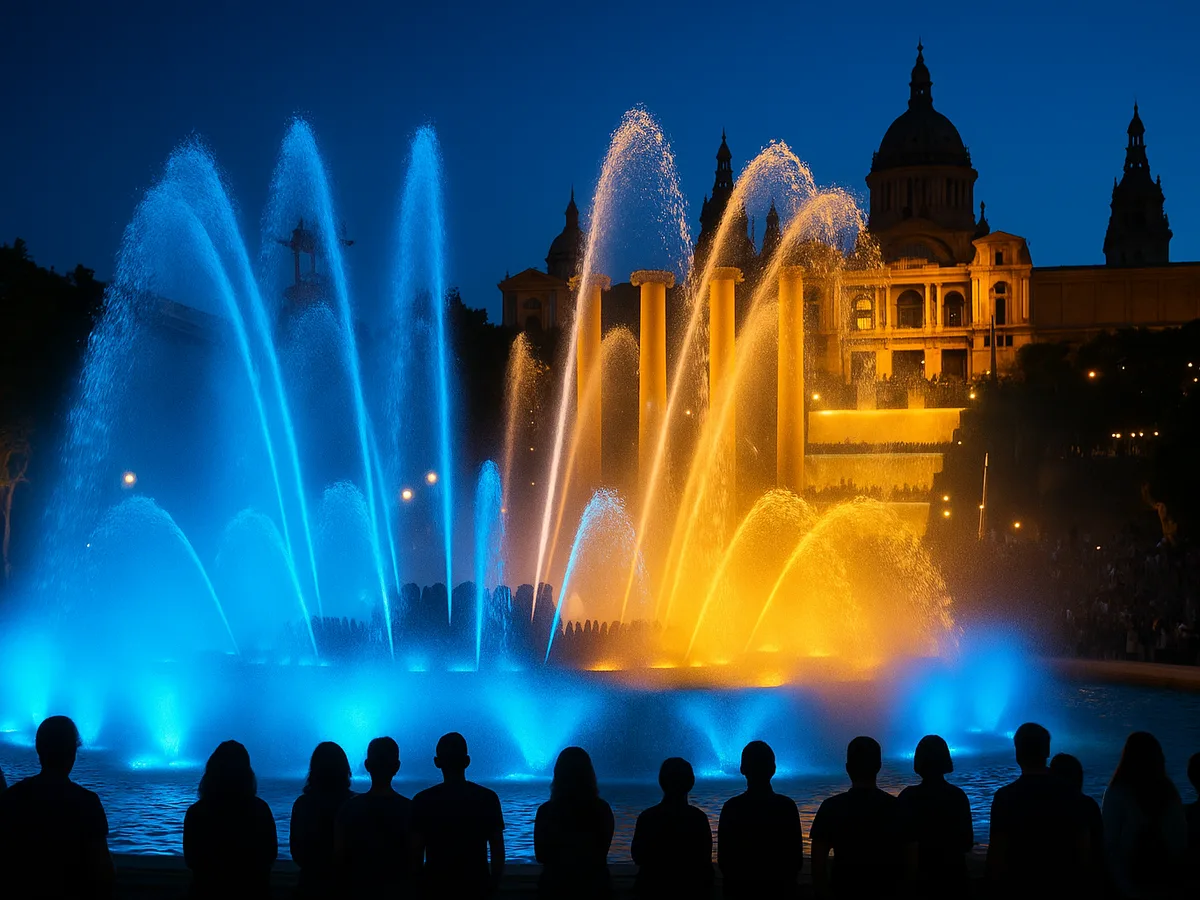
Check the start time carefully. Early starts can be easier in busy areas and in warm months, but they may be less appealing if you prefer a relaxed morning. Evening routes can feel different, with softer light and fewer crowds in some places, yet they may not suit quieter neighbourhoods or late travel plans.
Build in breathing room. If you need to reach a train, a restaurant booking, or an airport transfer afterwards, avoid a schedule that ends too close to that commitment. Delays can happen in any city, and central Barcelona is no exception. A little empty space in the day is not wasted time; it is what keeps the whole plan from feeling fragile.
Choose a starting point that makes sense
Location matters more than many people expect. A route that begins near your accommodation is easier to enjoy than one that requires a long cross-city journey before the day has even started. Look at the meeting point, not just the places visited. Check how you would get there from where you are staying and how you would return if the route ends somewhere else.
For visitors staying in Eixample, the area around Pg. de Gràcia can be a practical base for planning, with access to several parts of the city. One local option is Girona & Costa Brava Day Trips From Barcelona. If you are comparing different outings, keep the meeting point in the same mental map as your hotel, your transport plans, and the rest of your day.
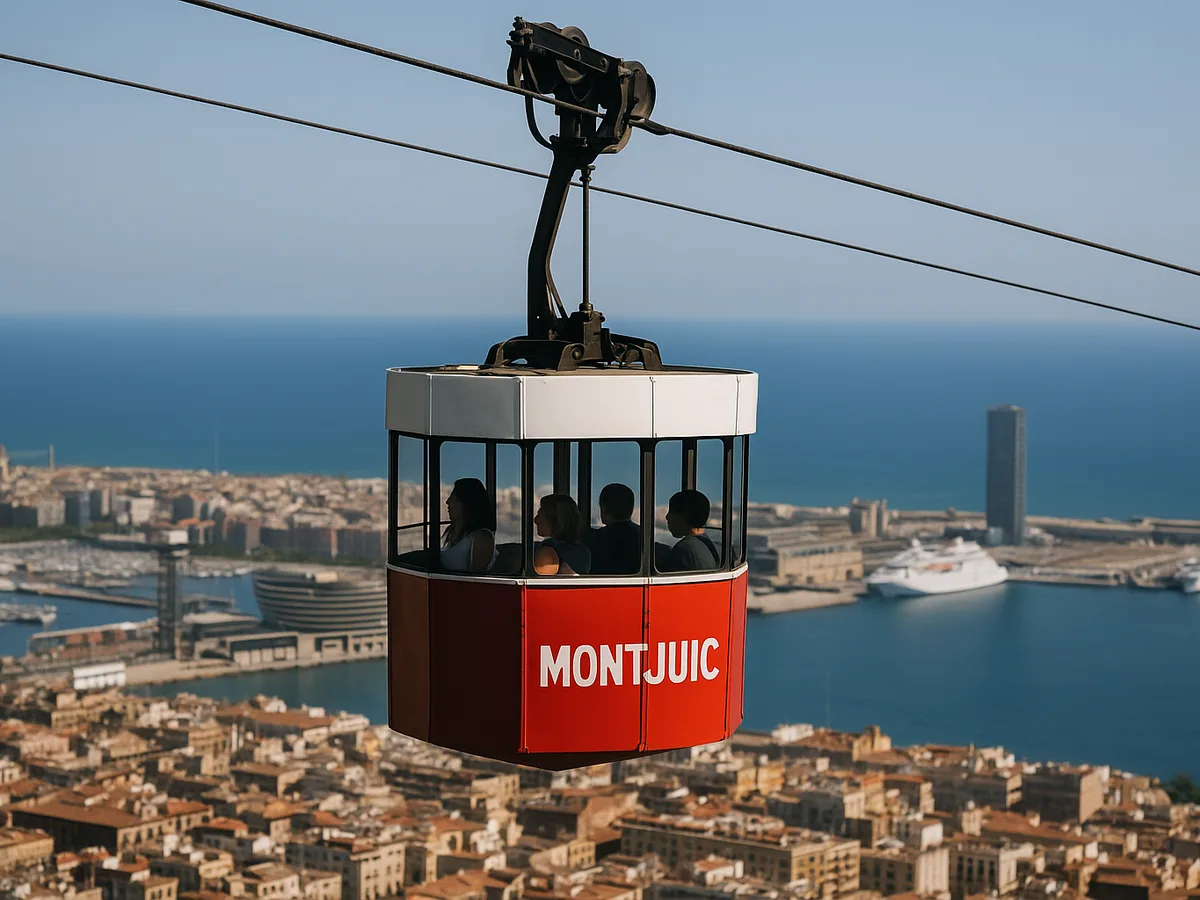
Also consider how much walking is involved between stops. Barcelona has many attractive streets, but heat, hills, and crowded pavements can make a route harder than it looks on a map. Montjuïc hill and Tibidabo mountain, for example, change the physical demands of a day. If a route includes slopes or long distances, check whether transport is part of the plan and whether there are places to sit.
Match the theme to your interests
Once the practical limits are clear, choose a theme. Architecture routes work well for people who enjoy buildings, details, and the stories behind city planning. Gaudí-related stops such as Casa Milà can be paired with other modernista sites, though too many similar interiors in one day may blur together. Food-focused outings suit curious eaters, but they work best when you have room to eat and are comfortable trying a range of dishes.
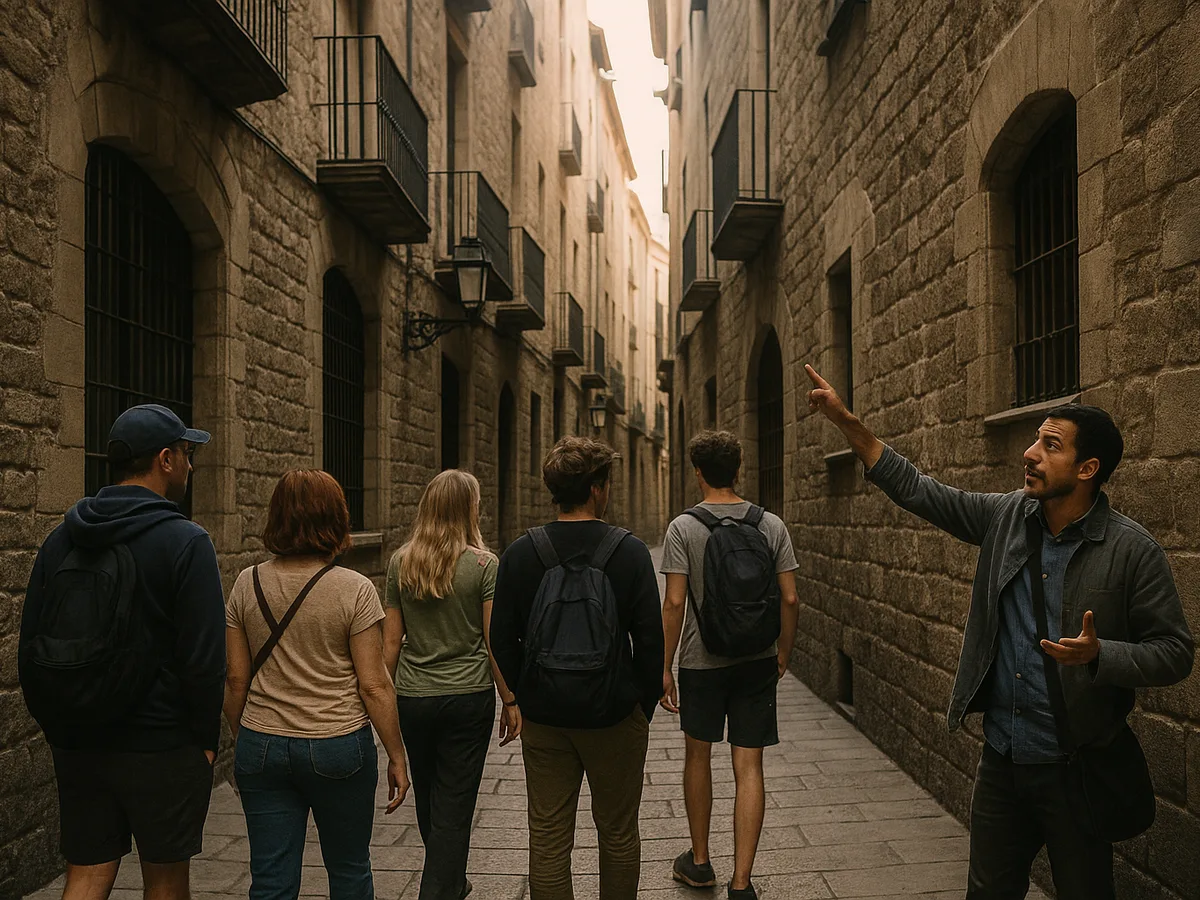
History and neighbourhood walks offer a different pace. The Gothic Quarter can help a visitor understand the older street pattern, while other areas show how Barcelona expanded and changed. If you like seeing daily life rather than only landmarks, choose a route that leaves space for markets, plazas, and ordinary streets.
For a first visit, a balanced option often works better than a niche one. A route that mixes landmarks with context can give you a framework for the rest of your stay. For repeat visits, a narrower focus may be more satisfying, such as public art, local food, or a district you have not explored properly.
Some travellers also compare city routes with trips beyond the city. If you are considering that, read the full plan closely and ask whether the day is mostly travel, mostly time on site, or a mix. The phrase Girona & Costa Brava Day Trips From Barcelona official site may come up while researching, but the same checks apply: time, meeting point, pace, what is included, and how the day fits with the rest of your stay.
Read the itinerary like a practical plan
A good description should help you picture the day. Look for the order of stops, the amount of time at each place, and the way participants move between them. Broad wording can sound appealing but may hide a rushed schedule. If a route lists many landmarks with no detail about pacing, treat that as a question to resolve before committing.
Pay attention to entry arrangements. Some places have timed admission, restricted access, or closed days. When a plan mentions a major site, check whether entry is included, whether you need to bring anything, and what happens if the site changes its rules. Facts such as hours, appointment needs, prices, and what a route covers should be confirmed with whichever business you choose before you book.
Group size can change the feel of an outing. Smaller groups often make it easier to ask questions and move through busy streets, while larger groups may suit people who prefer a clear structure and a fixed pace. Neither is automatically better. Think about how you like to listen, ask questions, and move through crowded places.
Language is another practical point. Check the language of the commentary and whether written information is provided. If you are learning Spanish or Catalan, a route that includes simple local terms may add to the experience. If you need full clarity, do not rely on goodwill alone; confirm the language before you reserve.
Compare value, not just length
A longer route is not always a better one. Value comes from how well the day uses your time. A shorter outing with clear focus may leave you with enough energy to enjoy a late lunch, visit La Boqueria market, or sit in a plaza for a while. A full day can be worthwhile if travel time is reasonable and the stops are genuinely different from one another.
Look at what the plan asks you to arrange yourself. Meals, transport, entry tickets, and onward travel can affect the total time and cost of the day. Even without focusing on figures, it is useful to know which parts are handled and which parts you need to organise. This prevents awkward gaps between the end of one activity and the start of the next.
Weather can also shape value. In hot months, a route with shade, indoor stops, and water breaks may be more enjoyable than one that spends hours exposed in open squares. In wet months, think about covered areas and whether the plan can adapt. If a route depends heavily on outdoor views, check what the likely alternative is when conditions change.
Check the details that affect comfort
Comfort is not a luxury when you are walking in a city. Wear shoes that suit long periods on your feet, especially if the route includes old paving or uneven surfaces. Bring water when appropriate, and plan a snack if the timing could leave you hungry. Sun protection and a light layer can both be useful, depending on the season.
Think about access needs before choosing. If you need step-free routes, frequent seating, or a slower pace, ask directly rather than assuming. Historic areas can include stairs, narrow streets, and crowded entrances. A clear answer beforehand is better than discovering the difficulty halfway through the day.
It is also wise to check cancellation rules, payment terms, and what happens if plans change. These details differ between businesses, so confirm them with whichever option you choose. Keep written confirmation of the meeting point, start time, and any items you need to bring. That small bit of organisation can make the day feel much smoother.
Make the final choice with a clear test
When you have two or three options left, test each one against the same questions. Does it fit your available time? Is the starting point easy to reach? Does the theme match your interests? Is the pace realistic? Are the practical details confirmed? The option that answers yes most cleanly is usually the better choice, even if another sounds more ambitious.
Another useful check is whether the outing leaves you with room to enjoy Barcelona on your own. A city this layered should not feel like a list to finish. Camp Nou stadium, a neighbourhood café, or a quiet stretch away from the busiest streets may become the part you remember most. Choose a route that supports your stay rather than one that consumes it.
For a straightforward closing detail, Girona & Costa Brava Day Trips From Barcelona is located at Eixample, Pg. de Gràcia, 66, 71, Eixample, 08007 Barcelona, Spain, and its phone number is +34 632 93 79 41.